About Transarterial Infusion Chemotherapy
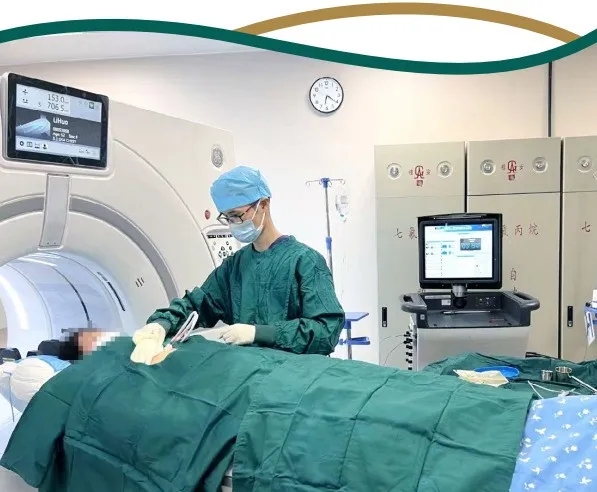
Transarterial infusion chemotherapy (TAIC) is a minimally invasive treatment method that, under the guidance of imaging equipment (such as DSA), precisely inserts a catheter into the artery supplying the tumor to directly infuse a high concentration of chemotherapy drugs into the tumor site, thereby enhancing the drug's effect on the tumor area.
I. Principles
The core principles of TAIC are "maximizing local drug concentration" and the "first-pass effect".
Targeted drug delivery: In traditional intravenous chemotherapy, after the chemotherapy drug is injected intravenously, it circulates throughout the body via the bloodstream, with only a small portion reaching the tumor tissue. TAIC, through interventional radiology techniques and under the guidance of imaging equipment, inserts a thin catheter from a peripheral artery and superselectively delivers it to the arterial branch directly supplying the tumor, then directly injects the chemotherapy drug into this "nutrient vessel" of the tumor.
First-pass effect: When a high concentration of chemotherapy drug is directly injected into the tumor's supply artery, the drug first and in large quantities passes through the tumor's capillary bed. During this process, the drug is largely taken up and absorbed by the tumor tissue, exerting a powerful cytotoxic effect. Subsequently, the remaining drugs enter the systemic bloodstream. At this point, the drug concentration has significantly decreased due to absorption by the tumor and metabolism by organs such as the liver.
II. Indications
1. Liver Cancer: TAIC in liver cancer is known as hepatic artery infusion chemotherapy (HAIC). It is suitable for hepatocellular carcinoma complicated by tumor thrombus of portal vein, hepatic vein, or bile duct , obvious or extensive arteriovenous fistulas, large tumor burden, indistinct borders, and those with poor expected TACE response; TACE-resistant liver cancer; unresectable intrahepatic cholangiocarcinoma, hilar cholangiocarcinoma, gallbladder cancer; and unresectable liver metastases from colorectal cancer, lung cancer, esophageal cancer, gastric cancer, pancreatic cancer, and breast cancer. It is especially used for salvage treatment after progression following systemic chemotherapy.
2. Lung Cancer: TAIC in lung cancer is known as bronchial artery infusion (BAI). This treatment is applicable to:
2.1. Stage IIIb or higher lung cancer patients who have failed standard treatment, have progressed, or have relapsed;
2.2. Stage II-III lung cancer patients who refuse standard treatment or have failed first- or second-line standard treatment and have relapsed, especially central lung cancer patients;
2.3. Combination therapy based on standard treatment;
2.4. Lung cancer patients with massive hemoptysis or recurrent hemoptysis requiring simultaneous hemostasis and antitumor therapy;
2.5. Prophylactic hemostasis before endoscopic treatment of endobronchial lesions;
2.6. Lung cancer patients with airway stenosis or atelectasis;
2.7. Unresectable or unablable lung metastases.
3. Other unresectable intermediate-to-late-stage malignant solid tumors, such as: pancreatic cancer, gastric cancer, esophageal cancer, renal cancer, cervical cancer, endometrial cancer, breast cancer, ovarian cancer, bladder cancer, retinoblastoma, glioma, head and neck malignant tumors, bone and soft tissue malignant tumors, etc.
4. Neoadjuvant chemotherapy and conversion therapy before surgical resection and adjuvant chemotherapy after surgery, such as primary liver cancer, colorectal cancer liver metastases, cholangiocarcinoma, gastric cancer, etc.
5. Combined with TACE, radiotherapy, systemic chemotherapy, targeted therapy, and immunotherapy, it achieves better efficacy in some tumor types and can also be used as a downstaging or conversion therapy option after surgery and ablation.
III. Technical Advantages
TAIC achieves "minimally invasive puncture and precise bombardment," maximizing tumor-killing effects while minimizing systemic damage to the patient. It is a powerful local treatment tool that balances high efficiency and low toxicity. Compared with traditional systemic intravenous chemotherapy, TAIC has the following significant advantages:
1.Minimally invasive operation, minimal trauma
Treatment is completed through only a puncture needle hole (approximately 2 mm), without surgical incisions, resulting in rapid postoperative recovery and almost no scarring on the body surface.
2.Targeted and highly effective, strong local killing power
Chemotherapy drugs are directly and in high concentrations infused into the tumor-feeding arteries, achieving local drug concentrations dozens of times higher than intravenous chemotherapy, significantly enhancing the killing effect on tumor cells.
3.Mild systemic side effects and good tolerability
The drug is mainly concentrated in the tumor area, with a small amount entering the systemic circulation. Therefore, toxic side effects such as bone marrow suppression, severe nausea and vomiting, hair loss, and severe gastrointestinal reactions are significantly reduced, resulting in a better patient experience.
4.Broad indications and can be used in conjunction with other treatments
It can be combined with embolization, ablation, and targeted immunotherapy as an important part of comprehensive treatment.

 (+86)18613012387
 info@royallee.cn
 EN
EN CN
CN TH
TH IDN
IDN  AR
AR Customer satisfaction